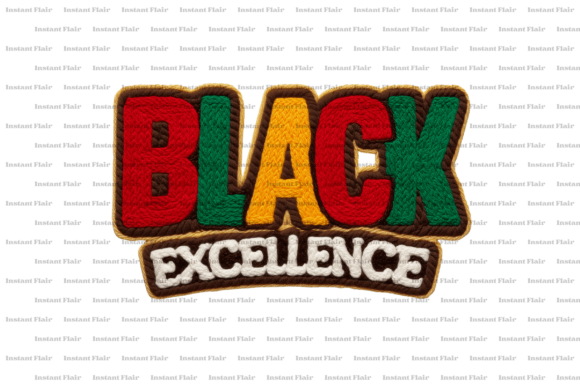
Black Excellence Embroidery PNG
A Craft Fair Designer’s Real-World Review
As an embroidery designer who’s set up over 80 craft fair booths—and shipped thousands of handmade products to Etsy buyers, boutique makers, and small shop owners—I approach every digital embroidery file with one question: Does this sell on a crowded table, in person, under tent lighting, next to hand-poured candles and ceramic mugs? The Black Excellence Embroidery PNG passes that test—not because it’s trendy, but because it’s intentional. From the moment I opened the file, it felt bold, culturally grounded, and visually confident—not cute, not rustic, not minimalist. It’s premium with purpose: stitched texture layered over rich Pan-African inspired colors that pop without shouting.
Where It Shines on Craft Fair Products
This design doesn’t just translate well—it elevates everyday handmade items. On a natural canvas tote bag? Instant booth magnet. Customers pause, tilt their heads, and say, “That’s beautiful.” The bold stitched texture reads clearly even from six feet away—critical when your table competes with glitter pens and macramé plant hangers. As an apron embroidery for kitchen or maker spaces, it adds dignity and warmth. On tea towels? It stands out against textured terry cloth without getting lost—unlike delicate script or thin-line motifs. And as an embroidered patch, it holds its shape beautifully after laundering, making it ideal for sew-on swaps, denim jackets, or kids’ backpacks.
For caps and curved surfaces, I recommend testing the Black Excellence Embroidery PNG at 3.5" wide max—any larger risks distortion on the front panel. On small fabric pouches or pillow covers (12"x12" and under), it works best centered as a focal point—not tucked into a corner. As a tote bag design, it anchors the whole piece; as a tea towel embroidery, it invites touch and conversation. And yes—it photographs exceptionally well for Etsy listings and printable mockups. The contrast between thread colors and background fabric comes through cleanly, even on mobile screens.
Production Practicality: What You Need to Know Before You Hoop
Let’s talk real-world execution. This is a digital embroidery file styled to mimic hand-stitched depth—but don’t assume it’s low-density. The “bold, stitched texture” description signals intentional stitch density, especially in letterforms and color transitions. That means: test on scrap fabric first. Use medium-weight cutaway stabilizer for woven cottons, and consider tear-away + topping for towels or textured linens. If you’re embroidering on dark fabric, confirm your thread colors have enough contrast—especially gold or green accents against navy or charcoal.
Small lettering? Yes—it’s present, and legible at 4" wide, but avoid shrinking below 2.75". Tiny details won’t resolve cleanly on thick canvas or heavily napped fleece. Also: avoid placing it across seams, darts, or curved cap crowns without re-hooping and re-aligning. The design assumes flat, stable fabric—so for market bags with gussets or structured pouches with lining, plan placement carefully. And always check hoop size compatibility before batch production. Nothing kills momentum like stopping mid-run to resize or re-digitize.
Why It Builds Booth Strength & Buyer Trust
In a sea of generic florals and vague affirmations, Black Excellence Embroidery PNG communicates clarity, pride, and craftsmanship—all in one glance. It tells customers: This maker values meaning, not just motif. That builds instant rapport with conscious shoppers, educators, community organizers, and gift buyers seeking culturally resonant handmade products. It strengthens brand consistency across your line—if you offer matching patches, totes, and tea towels, the visual thread feels deliberate, not scattered.
At craft fairs, it draws longer dwell time. People ask questions. They tag friends. They return to your booth later with others. That kind of engagement isn’t accidental—it’s baked into the design’s balance of symbolism and simplicity. It doesn’t require explanation, yet rewards attention. And unlike overly decorative or cartoonish graphics, it feels repeatable across seasons and collections—making it a smart investment for your small shop product catalog.
Designer Notes You Can’t Skip
- Always test on scrap fabric—especially with your exact thread colors and stabilizer combo.
- Review spacing between elements—tight kerning can blur on dense fabrics.
- Confirm hoop size compatibility before digitizing or purchasing commercial embroidery rights.
- Inspect stitch density visually—not just in software. Dense fills may need slower machine speeds.
- Use the right stabilizer: cutaway for stretchy knits, tear-away + topping for terrycloth or linen blends.
- Create at least one physical mockup before launching on Etsy or prepping for craft fair inventory.
- Compare how the design reads on light vs. dark fabric—adjust thread contrast if needed.
- Verify commercial licensing terms before selling finished products—this is a digital embroidery file, not a personal-use graphic.
Final Thought: More Than a Design, It’s a Statement Product
The Black Excellence Embroidery PNG isn’t just another T-Shirt Designs asset or generic Graphics download. It’s a ready-to-deploy statement product—one that aligns with values, supports storytelling, and performs across formats. Whether you’re stitching it onto aprons for a local cooking class, patches for a youth mentorship group, or pillow covers for a Black-owned boutique, it carries weight and warmth in equal measure. For craft fair sellers and handmade entrepreneurs, that’s rare. That’s valuable. That’s why, come Saturday morning, this design will be front-and-center on my booth table—not tucked in a drawer.