Coquette Easter Bunny Embroidery Design
A Seasonal Designer’s First Impression
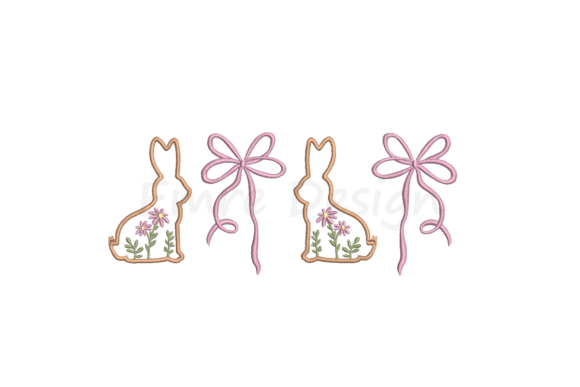
As an embroidery designer who’s built six holiday collections for Etsy sellers and wholesale craft brands, my first glance at the Coquette Easter Bunny Embroidery Design landed right where it should: on mood. It’s playful but not childish, whimsical without leaning into kitsch, and delicately detailed without sacrificing stitch efficiency. The pose—slightly tilted head, one paw lifted mid-hop, floral accents trailing from its ears—evokes springtime charm with a quiet confidence. This isn’t just a bunny; it’s a character with personality, making it ideal for seasonal embroidery that needs to resonate across age groups and home aesthetics. Think cozy farmhouse kitchens, modern minimalist nurseries, or curated gift boxes meant for moms, grandmas, and teens alike.
Real-World Holiday Selling Scenarios
The Coquette Easter Bunny Embroidery Design shines where seasonal demand meets emotional intent. On sweatshirt embroidery, it reads beautifully at 4–5 inches wide—large enough to anchor a family matching set, yet refined enough to avoid overwhelming the garment. As a tote bag design, it holds attention at arm’s length in craft fair displays and translates well into printable mockups for Instagram previews. For kitchen towel embroidery, the balanced fill areas and open negative space prevent stiffness, while the subtle floral flourishes align perfectly with popular Easter table linens and aprons.
This machine embroidery design also elevates handmade gift potential. Stitched onto pillow covers or embroidered patches, it adds heirloom-ready charm to baby items and keepsake ornaments. Paired with soft pastel thread colors—dusty rose, sage green, buttercream—it enhances giftability without requiring extra packaging. Etsy sellers report stronger engagement when using this design in limited-edition bundles: think “Spring Morning Set” (towel + apron + patch) or “Little Nest Collection” (onesie + burp cloth + ornament). Its visual recognition builds brand consistency across listings—and shoppers begin to associate that gentle coquette expression with quality, thoughtful seasonal embroidery.
Where to Use It Thoughtfully
Like any strong holiday embroidery, the Coquette Easter Bunny Embroidery Design performs best when matched intentionally to material and construction. Avoid placing it on highly stretchy garments—like ribbed knit onesies—without proper cutaway stabilizer and reduced tension. Curved caps or tiny hoop sizes (under 3 inches) risk losing delicate ear contours and floral stem definition, so test stitching is essential before scaling down. Thick terry cloth towels demand tighter stitch density control; if your file allows adjustment, slightly increase underlay and reduce jump stitches to prevent puckering.
On dark fabric, the light-thread-dependent details—like whiskers or inner ear shading—may soften unless you verify thread colors against both light and dark swatches first. Metallic thread can add sparkle to the floral accents, but only if the stitch density supports it; overly dense fills may cause breakage or skipped stitches. And for items destined for repeated washing—think kids’ towels or baby bibs—confirm that the file’s satin borders and small fill areas hold up after laundering tests. Always use tear-away plus light cutaway stabilizer for crispness on medium-weight cotton and linen blends.
Design Notes Every Embroidery Professional Should Check
- Test thread colors on both light and dark fabric before bulk production—especially for facial features and floral highlights.
- Confirm hoop size compatibility with your most-used machines; some versions of this design may require 5x7" or larger for full detail retention.
- Review stitch density in the bunny’s face and flower centers—if too dense, it stiffens fabric; if too sparse, it lacks dimension.
- Create realistic mockups using actual fabric textures—not just white backgrounds—to assess how the design settles on towels, knits, or linen.
- Zoom in post-stitching on small details: whiskers, eyelashes, petal edges. These define the “coquette” charm and impact perceived value.
- Plan cohesive color palettes across product lines—e.g., match thread tones to your Easter-themed gift tags or packaging ribbon.
- Verify commercial licensing before selling finished products. As a digital embroidery file, its permitted use determines whether you can offer embroidered sweatshirts, pillow covers, or wholesale patches.
Why This Design Strengthens Your Seasonal Strategy
The Coquette Easter Bunny Embroidery Design does more than decorate—it deepens customer trust during high-intent holiday shopping periods. Its consistent tone (whimsical yet polished) tells buyers your shop values craftsmanship over clutter. When used across multiple product types—tote bag design, kitchen towel embroidery, embroidered patch—the design becomes a recognizable signature, helping small shop products stand out in crowded Etsy search results and social feeds.
It also raises perceived product value without raising cost: a simple cotton pillow cover transforms into a personalized gift with this embroidery file. Buyers don’t just see a bunny—they see care, seasonality, and intention. That emotional resonance drives repeat purchases, especially among customers building annual traditions: Easter morning towels, baby’s first Easter outfit, or matching family sweatshirts. And because it avoids overt religious symbols or dated trends, it maintains broad appeal across secular and spiritual households alike.
Final Thought for Sellers and Creators
If you’re curating a seasonal embroidery collection for Easter—or even extending into spring celebrations like Mother’s Day or baby showers—the Coquette Easter Bunny Embroidery Design earns its place not as filler, but as a versatile anchor piece. It balances artistic nuance with production practicality, emotional warmth with market-ready clarity. For Etsy sellers, handmade gift makers, and apparel decorators alike, this machine embroidery design isn’t just festive—it’s functional, memorable, and quietly premium. Just remember: let your stabilizer match your fabric, test before you commit, and always stitch with the end customer’s unboxing moment in mind.