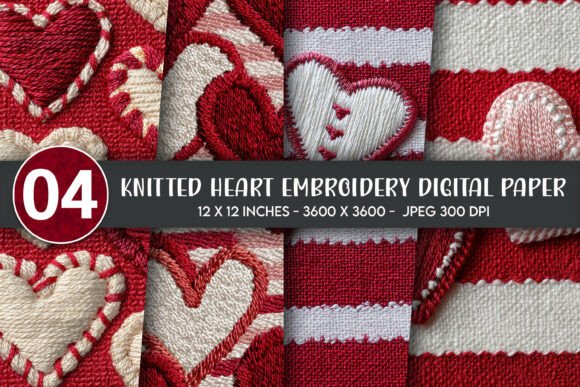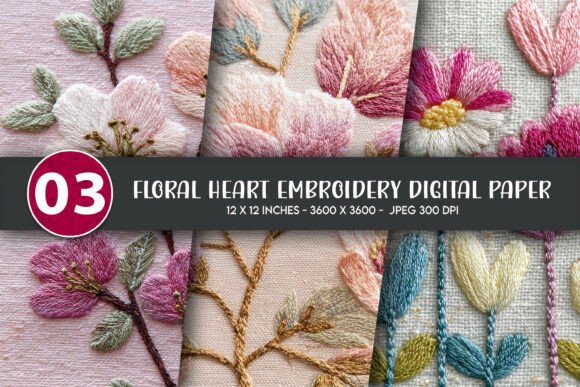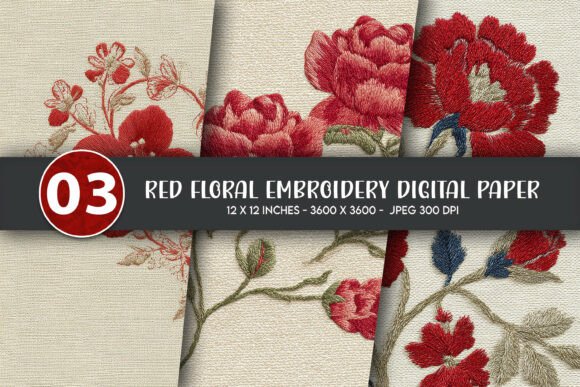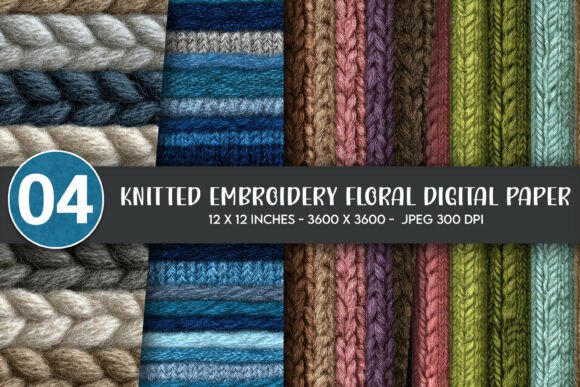
Knitted Embroidery Floral Digital Paper
First Impression: Soft, Decorative, and Quietly Premium
As an embroidery designer who’s prepped over 200 craft fair booths—from snowy Vermont markets to sun-drenched California pop-ups—I opened Knitted Embroidery Floral Digital Paper expecting charm. What I found was something more intentional: a gentle, layered floral motif that reads as both handcrafted and refined. It doesn’t shout “festive” or “modern”—it leans into soft decorative elegance with subtle textural hints of knit-like line work. That’s gold for handmade markets where shoppers pause longer for pieces that feel thoughtful, not trendy. It’s not farmhouse rustic, nor is it minimalist—it lives in the sweet spot between cottagecore warmth and boutique-ready polish.
Where It Shines on Craft Fair Products
This design thrives where tactility meets visibility. On a heavyweight organic cotton tote bag? Perfect—its balanced scale reads clearly from three feet away, and the floral flow complements the drape without overwhelming. As apron embroidery? Ideal for chest pockets or lower hems—soft enough for kitchen wear but distinctive enough to spark conversation. For tea towel embroidery, the open negative space lets the fabric breathe, avoiding the “stitched-to-death” look that fatigues buyers. And on throw pillow covers? It elevates a simple linen square into a giftable handmade product with quiet confidence.
It also works beautifully as an embroidered patch—clean outlines hold up through washing, and the floral rhythm gives dimension without excessive stitch density. As a cap embroidery design? Use it on the front panel only—not curved sides—and keep it medium-scale (3.5–4 inches wide). On small pouches or market bags, it anchors the piece without crowding. For Etsy sellers, this is a strong candidate for printable mockups: its high-resolution nature translates crisply to digital listings, helping customers visualize texture and scale before purchase.
What Makes It Sell on the Floor
Craft fair shoppers scan fast. Knitted Embroidery Floral Digital Paper wins because it’s instantly legible at booth distance—no squinting, no decoding. Its floral shape reads as “floral,” not “abstract,” and its gentle curves suggest care, not complexity. That builds trust. When paired with natural fibers (linen, unbleached cotton, oatmeal canvas), it amplifies handmade quality. Buyers associate that harmony with intentionality—and they pay more for it.
It strengthens booth display cohesion too. Run it across three product types—say, a tea towel, a patch-adorned pouch, and a pillow cover—and you create subtle brand consistency without repetition fatigue. No need for matching fonts or borders; the shared design language does the work. And because it’s not overly literal (no words, no seasonal icons), it stays relevant year-round—ideal for small shop product rotation.
Production Realities: Smart Use Starts With Testing
Don’t skip the scrap test. Even with a high-resolution digital embroidery file, fabric texture changes everything. On terry cloth towels or thick denim, tighten your stabilizer game—medium-weight cutaway works best for dense areas. On curved surfaces like caps, reduce fill areas slightly or simplify inner petals to avoid puckering. Dark fabrics demand high-contrast thread colors; test gold, cream, or heather gray against charcoal or navy to preserve delicacy without disappearing.
Watch for tight clusters—some floral centers may pack stitches densely. If your machine hesitates or threads snag, consider lightening fill density by 5–10% in those zones. Tiny details (like fine stem lines or petal veining) may blur on textured weaves or at sub-3-inch sizes—so avoid shrinking it below 2.75 inches for patches or onesie appliqués. And always confirm hoop size compatibility before digitizing; if the original file spans 5x7", don’t force it into a 4x4" hoop without repositioning or simplifying.
Design Assets That Support Your Business
As a Patterns and Graphics asset, Knitted Embroidery Floral Digital Paper delivers versatility without compromise. It bridges commercial embroidery needs and home-crafter accessibility—equally useful for a Cricut user cutting iron-on transfers or an experienced embroiderer running 50 pillow covers overnight. Its adaptability across substrates (fabric, paper, ceramic mugs, stickers) means one design asset fuels multiple income streams: physical booth sales, print-on-demand integrations, and digital downloads for fellow makers.
For Etsy sellers, it’s a low-risk, high-perception upgrade: list it alongside finished products (“Embroidered Linen Pillow Cover + Matching Tea Towel”) and watch conversion lift. Buyers recognize cohesive design thinking—and they reward it with repeat visits and referrals.
Final Designer Notes Before You Stitch
- Always test on scrap fabric—match weight, weave, and color to your final product.
- Check thread contrast before stitching full runs, especially on dark or heathered bases.
- Review spacing between elements; tight stems or overlapping petals may need minor adjustment for your machine’s jump stitch tolerance.
- Confirm hoop size and stabilizer type—don’t assume compatibility across brands or machines.
- Inspect stitch density visually, not just digitally—zoom in on flower centers and layered leaves.
- Create at least one real mockup before listing or packing for market day.
- Compare fabric colors side-by-side—natural light shifts perception dramatically.
- Verify commercial licensing terms before selling finished products—this is non-negotiable for Etsy, craft fairs, or wholesale.
In short: Knitted Embroidery Floral Digital Paper isn’t just another floral. It’s a considered, commercially flexible, quietly confident design asset—one that helps your craft fair product stand out not by volume, but by voice.