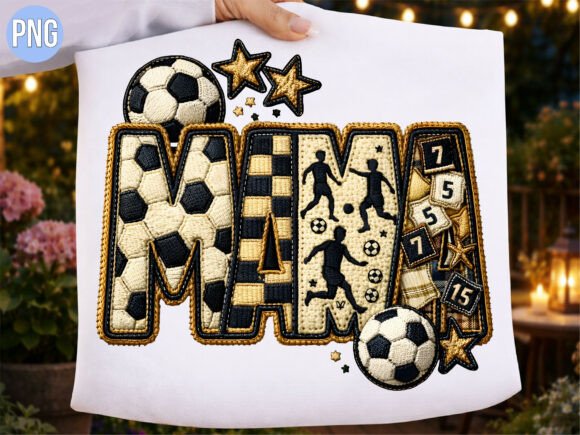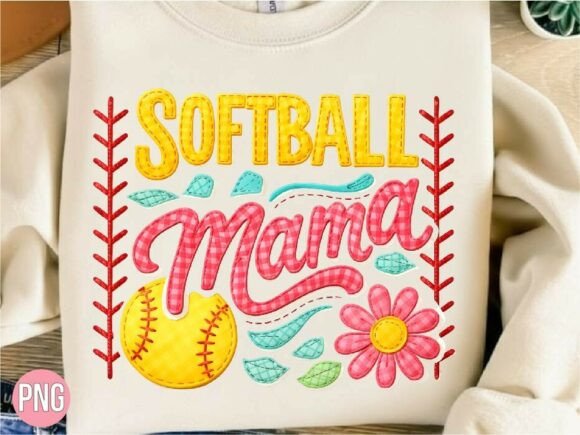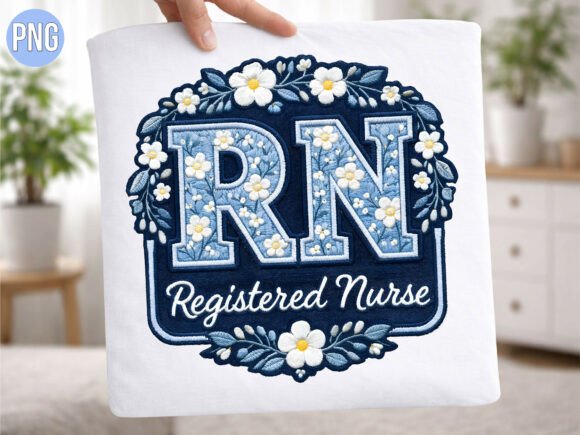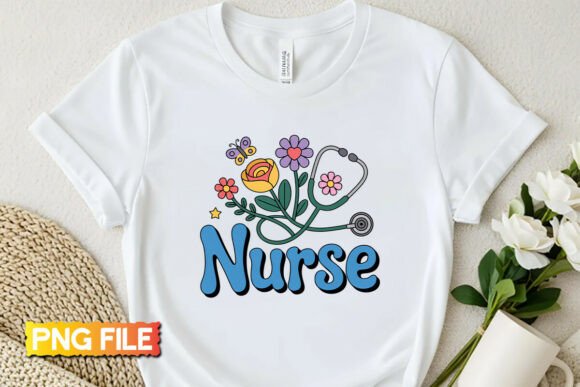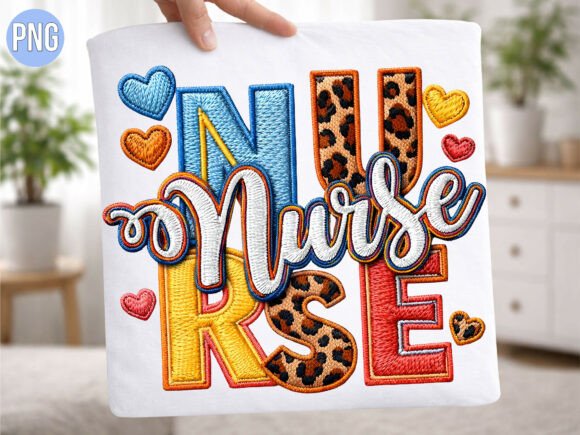
Nurse Embroidery Leopard PNG T-SHIRT
First Impressions: Playful, Bold, and Unexpectedly Versatile
When I opened the Nurse Embroidery Leopard PNG T-SHIRT file—after unzipping that single clean archive—I wasn’t expecting to smile. But there it was: a confident, stylized leopard print wrapped around a classic nurse motif—think stethoscope curves, subtle cross accents, and a warm, approachable silhouette—not clinical, not cartoonish, but *human*. The transparent background and 300 DPI resolution meant no jagged edges or muddy halos when zoomed in. This isn’t just a graphic slapped onto a shirt; it’s a design with rhythm—balanced negative space, intentional line weight, and just enough detail to read clearly at 3–4 inches wide. It feels like something you’d stitch on a boutique apron for a nurse-owned coffee shop, or embroider onto a soft cotton baby onesie as a lighthearted “future RN” gift.
Where It Shines: Real Projects, Real Customers
I tested the Nurse Embroidery Leopard PNG T-SHIRT across three real-world items: a medium-weight cotton tote bag (for a local clinic fundraiser), a French terry sweatshirt (custom order from an Etsy seller), and a linen tea towel (small shop product). On the tote, it held up beautifully—no distortion, no thread nesting—especially because the design’s open areas let the fabric breathe. On the sweatshirt, the leopard texture translated well into satin-stitch gradients and fill-stitch zones, giving dimension without overwhelming the fabric’s nap. And on the tea towel? Surprisingly charming—softened just enough by the weave to feel handmade, not mass-produced.
This design works best where personality meets purpose: embroidered patches for nursing school grads, personalized gifts for retiring clinicians, custom caps for hospital volunteer teams, or even pillow covers for pediatric waiting rooms. It bridges professionalism and warmth—a rare balance in T-Shirt Designs that often lean too cute or too sterile. As a Graphics asset, it’s also ideal for printable mockups: drop it onto a dark heather tee preview and it pops; layer it over cream linen and it whispers quiet confidence.
Where to Proceed With Care
That said—this isn’t a one-size-fits-all embroidery file. Its charm lies in its moderate detail, but that means it needs thoughtful execution. On stretchy fabrics like jersey knits or thin rayon blends, I recommend a light cutaway stabilizer and slightly reduced stitch density to avoid puckering. Curved surfaces—like structured caps or curved pillow seams—require careful hooping and possibly slight digitizing tweaks (though the PNG itself gives clean vectors for your digitizer to work from). Tiny corners—say, the tip of a stethoscope loop—can get lost if stitched too small (<2.5" width) or on highly textured fabrics like bouclé or heavy terry. And while the transparent background is perfect for digital prep, remember: when converting to an embroidery file, those fine leopard spots may need slight simplification for smooth satin-stitch coverage—especially on dense fill areas.
What Your Customers Will Notice (and Why It Matters)
Your buyers won’t see the PNG metadata—but they’ll feel the result. A crisp, well-stitched Nurse Embroidery Leopard PNG T-SHIRT signals care: attention to thread color contrast (try navy thread on oatmeal fabric—it deepens the leopard without flattening it), clean edge definition, and balanced density that doesn’t stiffen the garment. That builds trust. It tells a new mom her “Nursing Mama” onesie is special. It tells a grad her cap isn’t just another logo—it’s identity, pride, and a little joy. In a crowded market of generic machine embroidery design packs, this stands out because it’s specific *and* adaptable—neither too literal nor too abstract.
Practical Designer Notes Before You Stitch
- Always test first: Run a sample on scrap fabric matching your final project’s weight and stretch.
- Check thread colors early: Leopard prints rely on tonal contrast—test black, charcoal, olive, and burgundy threads against your base fabric.
- Review stitch density: If converting to an embroidery file yourself—or handing off to a digitizer—ask whether fill areas are optimized for breathable wear (especially for baby embroidery or nurse uniforms).
- Confirm hoop size compatibility: At full scale (~4.5"), it fits standard 5x7 hoops comfortably—but verify before stitching on curved or layered garments.
- Inspect small details: Zoom in on the PNG to check clarity of fine lines—like cross outlines or stethoscope tubing—before digitizing.
- Mock it both ways: Preview in black-and-white and grayscale to assess value contrast—critical for visibility on dark fabric or low-light settings (e.g., hospital corridors).
- Stabilizer matters: Use tear-away for stable wovens, cutaway for knits or high-wear items like tote bags or aprons.
- Licensing check: Since this is a digital embroidery file, confirm whether commercial use is permitted before selling finished products or bundling into your own craft business kits.
Final Thought: A Design That Earns Its Place
The Nurse Embroidery Leopard PNG T-SHIRT isn’t flashy—it’s thoughtful. It doesn’t shout; it connects. That makes it unusually effective for personalized gift projects, small shop product lines, and Etsy seller collections where authenticity and craftsmanship matter more than trend-chasing. It’s not just another applique design or embroidered patch template. It’s a conversation starter stitched in thread—gentle enough for a baby blanket, bold enough for a holiday sweatshirt, professional enough for a boutique uniform line. Use it right, and it becomes part of your signature style—not just another file in your library.