Sweet Summer Watermelon Embroidery PNG
First Impression: Bold, Bright, and Instantly Recognizable
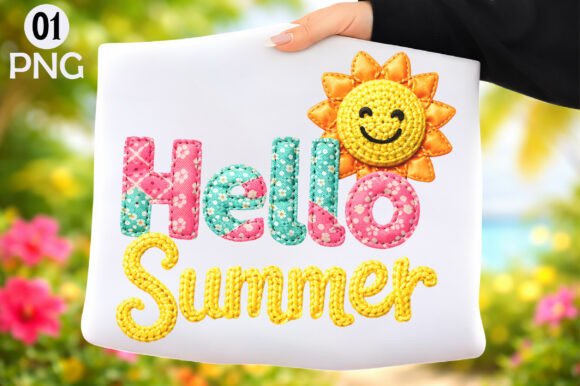
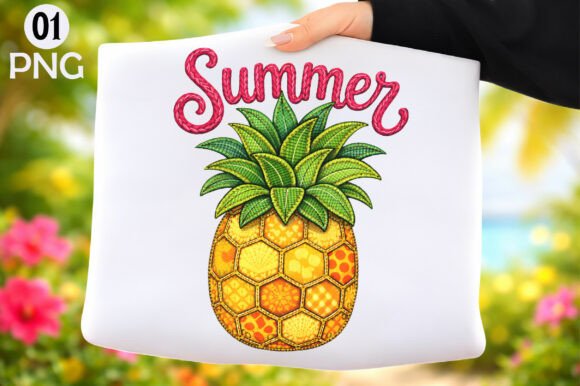
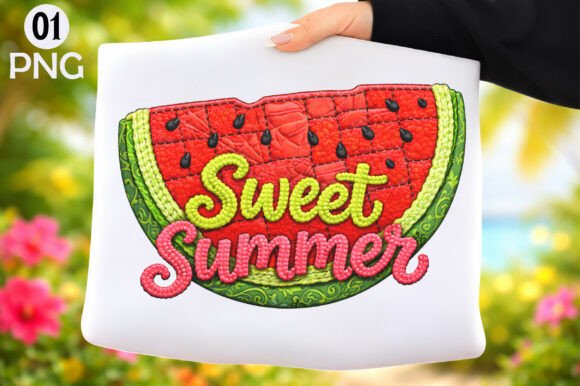
As an embroidery designer who’s set up at over 40 craft fairs—and watched thousands of shoppers slow down for one design or walk right past another—I’ll say this upfront: Sweet Summer Watermelon Embroidery PNG lands with cheerful confidence. It reads as bold, modern, and refreshingly playful—not cutesy or overly rustic, not minimalist to the point of blandness. That “detailed stitched design” in the description isn’t marketing fluff; it suggests intentional texture, layered color, and a hand-crafted sensibility that translates beautifully to real fabric. For booth traffic, that matters more than you’d think. In a sea of florals and script quotes, watermelon is joyful, seasonal, and universally understood—no translation needed.
Where It Shines: Craft Fair-Ready Product Pairings
This design doesn’t just sit on fabric—it activates it. On a natural canvas tote bag? Perfect. The contrast between crisp white background and vibrant red-green-black stitching pops under tent lighting and reads clearly from six feet away. On a denim apron? It adds personality without overwhelming the utility. For tea towel embroidery, I recommend placing it centered near the hem—large enough to read when folded over a counter edge, but not so dense it stiffens the weave. As an embroidered patch? Ideal for iron-on or sew-on use on market bags, denim jackets, or kids’ backpacks. And on pillow covers or small fabric pouches? It scales down gracefully if the original PNG preserves clean edges—just confirm no tiny seeds or vine tendrils blur into mush at 3” wide.
What Works Less (and Why)
- Caps and curved surfaces: Unless the design has been digitized with cap-friendly underlay and reduced stitch density, avoid full-coverage placement on structured caps—stitch buildup can warp the front panel.
- Textured towels (like heavy waffle or terry): High stitch density may sink into loops. Test on scrap first—and consider simplifying seed detail or using a lighter fill.
- Dark fabrics: That “brighten your projects” promise depends on thread contrast. If your black or navy base lacks strong light-thread options, the design loses vibrancy. Always test thread colors against actual fabric swatches—not just your screen.
Production Realities: Speed, Clarity, and Batch Consistency
For small shop owners prepping 20–50 pieces before a fair weekend, Sweet Summer Watermelon Embroidery PNG delivers practical advantages. Its composition—clear focal fruit, balanced negative space, and defined outlines—makes it easy to understand at a glance. No confusing layers or ambiguous elements to second-guess mid-hooping. That means faster setup, fewer re-hoops, and smoother batch production. It also photographs exceptionally well for Etsy listings and printable mockups: the contrast and shape hold up in natural light, and the “stitched” aesthetic reads as handmade even in flat-lay shots.
That said—don’t assume scalability. Zoom in on the PNG file yourself. Are the watermelon seeds distinct—or do they collapse into noise below 2.5”? Is the vine stem thin enough to stitch cleanly on lightweight cotton poplin, or will it require extra stabilizer on sheer fabrics? These aren’t flaws—they’re cues. A smart embroidery designer treats every digital embroidery file like a prototype, not a finished product.
Booth Impact & Buyer Psychology
In person, Sweet Summer Watermelon Embroidery PNG performs like a visual pause button. Shoppers scanning for summer-themed gifts lock onto it instantly—especially parents, foodies, gardeners, and teachers stocking classroom rewards. It signals warmth, playfulness, and seasonality without leaning into cliché. When repeated across a cohesive lineup—tote + tea towel + pouch + patch—it builds brand consistency for your small shop product line. And because it feels premium (not clip-art), customers perceive higher handmade quality—even before touching the fabric.
At the booth, pair it with complementary textures: a linen apron beside a cotton twill tote, a looped-knit tea towel next to a satin-stitched patch. That contrast makes the watermelon design feel intentional, not incidental. And don’t forget signage: a simple chalkboard tag saying “Summer-Ready Hand Embroidery” reinforces value without overselling.
Designer Notes You Can’t Skip
- Test on scrap fabric first—especially if using textured weaves, knits, or dark substrates.
- Check thread contrast across all intended fabric colors. Red thread on burgundy? Might vanish.
- Review spacing and underlay—tight curves or overlapping stems need proper under-stitching to prevent puckering.
- Confirm hoop size compatibility. Does it fit comfortably in your most-used hoop without repositioning?
- Inspect stitch density. Dense fills work on stable fabrics—but may require tear-away + cut-away stabilizer combo on stretchy or delicate materials.
- Use the right stabilizer—no exceptions. Lightweight designs still need support to hold shape after washing.
- Create at least one real mockup, not just a digital preview. Light, shadow, drape, and hand-feel change everything.
- Compare fabric colors in daylight, not just under studio LEDs. Dye lots vary.
- Confirm commercial licensing before selling finished products. Since this is listed under Freebies and Graphics, verify usage rights—especially for resale as part of a craft fair product or handmade product.
Final Thought: A Smart, Sellable Anchor Design
Sweet Summer Watermelon Embroidery PNG isn’t just another graphic—it’s a versatile, mood-lifting asset for creative entrepreneurs who understand that great machine embroidery design does three things at once: catches the eye, communicates joy or purpose instantly, and holds up through production, display, and gifting. Whether you’re an Etsy seller building seasonal collections, a boutique maker curating summer markets, or a Cricut crafter expanding into stitch-based goods, this design earns its place in your design assets library. Just remember: even the brightest watermelon needs the right soil—and in embroidery, that soil is careful testing, smart stabilization, and honest fabric prep. Get those right, and this embroidery file won’t just look good on your table—it’ll fly off it.