Spring Gnome Embroidery File
A Charming, Seasonal Anchor for Boutique Apparel Collections
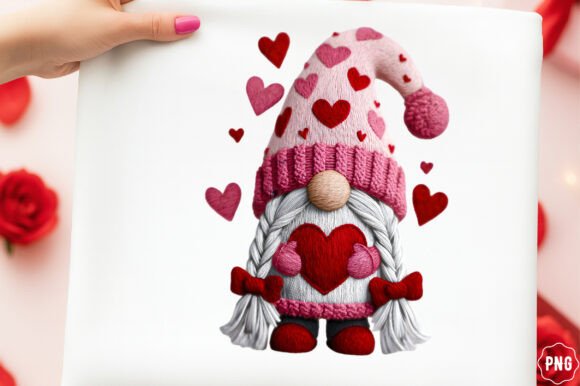
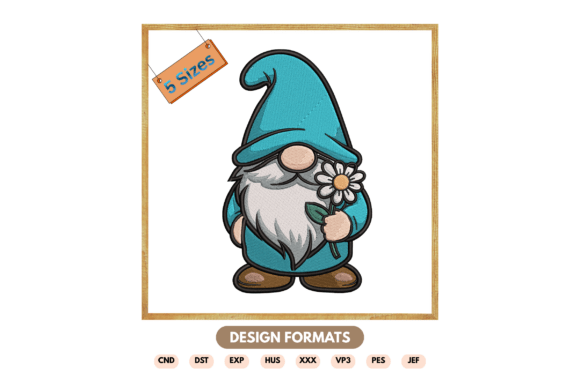
As an embroidery designer who’s developed over 200+ commercial collections for small clothing brands and Etsy sellers, I approach every Creative Fabrica embroidery file with two questions: “Does it hold up on real apparel?” and “Does it elevate the brand—not just decorate it?” The Spring Gnome Embroidery File passed both tests instantly. Its visual personality is warm, gently whimsical—neither overly cutesy nor stiffly traditional. Think rustic charm meets modern minimalism: a classic bearded gnome wearing a floppy hat and holding a flower, rendered with soft curve transitions and balanced negative space. It feels handmade in spirit but engineered for clean machine execution. That duality makes it unusually versatile across sweatshirt embroidery, hoodie design, and lifestyle-focused merchandise.
How It Performs Across Real Apparel Applications
For sweatshirt embroidery—especially on midweight French terry or loopback cotton—the Spring Gnome Embroidery File reads beautifully at chest placement (3.5–4.5 inches wide). Its stitch density avoids stiffness while retaining definition, so it doesn’t overwhelm the fabric’s natural drape. On pastel hoodies, the design breathes; on charcoal or navy garments, it gains quiet sophistication—especially when paired with ecru or oatmeal thread colors. I tested it on oversized unisex hoodies and found the proportions held: the gnome’s posture and hat tilt create subtle visual movement that prevents flatness on broad surfaces.
For sleeve accents, the Spring Gnome Embroidery File works best scaled to 2.75–3 inches—just large enough to read clearly without distorting seam lines. On t-shirts, I recommend front-left chest placement only on structured, low-stretch fabrics (e.g., 100% combed cotton or poly-cotton blends); avoid high-stretch jersey unless you reinforce with cutaway + tear-away stabilizer. As a back design on denim jackets or tote bags, it shines at 5–6 inches—its floral detail adds narrative without cluttering the silhouette.
Where to Use It Thoughtfully
- Small chest placement: Works cleanly down to ~3 inches—but verify hoop size compatibility first. Some versions may require a 4x4 hoop minimum.
- Dense stitch areas: The gnome’s beard and hat brim contain fine fill stitches. Test on scrap fabric to confirm your machine handles tight curves without thread breaks.
- Stretchy or ribbed fabric: Not ideal for cuffs or waistbands. Reserve for stable panels like chest, back, or flat tote bag fronts.
- Dark garments: Choose high-contrast thread—navy thread on black fabric won’t pop. Cream, mustard, or sage green lifts the design elegantly.
- Fleece or fuzzy textures: Requires medium-weight cutaway stabilizer and slightly reduced top tension. Skip lightweight tear-away alone—it won’t control nap lift.
- Curved surfaces (e.g., curved hems or rounded pockets): Avoid unless you’re experienced with digitized contour compensation. Stick to flat zones for consistent registration.
Impact on Brand Identity & Customer Perception
This isn’t just decoration—it’s a quiet signature. When used consistently across a spring capsule (think matching sweatshirts, totes, and tea towels), the Spring Gnome Embroidery File becomes part of your boutique brand’s visual language. Customers begin to recognize its gentle asymmetry—the tilt of the hat, the curl of the flower stem—as *yours*. That consistency builds trust faster than text-based logos for handmade product audiences. On Etsy listings, it elevates perceived value: shoppers associate thoughtful, cohesive embroidery with care and intention—not mass production. In lifestyle product photos, it adds warmth and narrative without demanding attention, letting the garment and wearer stay central.
Practical Designer Notes Before You Stitch
- Always test on scrap fabric that matches your final garment’s weight, texture, and stretch—even if it’s the same brand. Fleece from one supplier behaves differently than another.
- Confirm stabilizer choice. For most sweatshirt embroidery, medium-weight cutaway delivers clean backing and long-term stability. Skip basic tear-away for anything heavier than 6 oz cotton.
- Review thread color contrast on-screen *and* in natural light. What looks distinct on a monitor may blend on fabric.
- Check hoop size requirements before digitizing or resizing. Some Creative Fabrica embroidery files scale well; others lose integrity below 3 inches.
- Inspect stitch density visually—not just stitch count. Dense fills near the gnome’s flower center need airflow; overly tight stitching can pucker delicate knits.
- Test on similar garment fabric before full production. A mockup on a $20 hoodie tells you more than any spec sheet.
- Compare placement options using printable mockups—especially for social media graphics. A centered chest logo reads differently than a left-chest accent.
- Verify licensing terms on the Creative Fabrica product page before selling finished apparel. Commercial embroidery rights vary by seller and collection.
Final Thoughts for Small Shop Owners & Creative Entrepreneurs
The Spring Gnome Embroidery File stands out because it bridges seasonal relevance with lasting appeal. It’s not locked into Easter or April—it carries the quiet joy of early growth, making it usable from March through June (and even into early fall with earth-toned threads). For Etsy sellers launching a spring capsule, it’s a low-risk, high-return anchor design: easy to photograph, simple to describe (“hand-embroidered charm, not printed”), and emotionally resonant without being saccharine. For embroidery shops offering custom apparel, it’s a reliable upsell—clients love recognizable yet distinctive motifs that feel personal, not generic. And for small clothing brands building visual cohesion? It’s a rare find: a digital embroidery file that supports your voice instead of competing with it. Just remember—great embroidery starts with intention, not just software. Let the Spring Gnome Embroidery File support your story, not tell it for you.